Screen Smart: Simple Steps To Catch Cancer Early
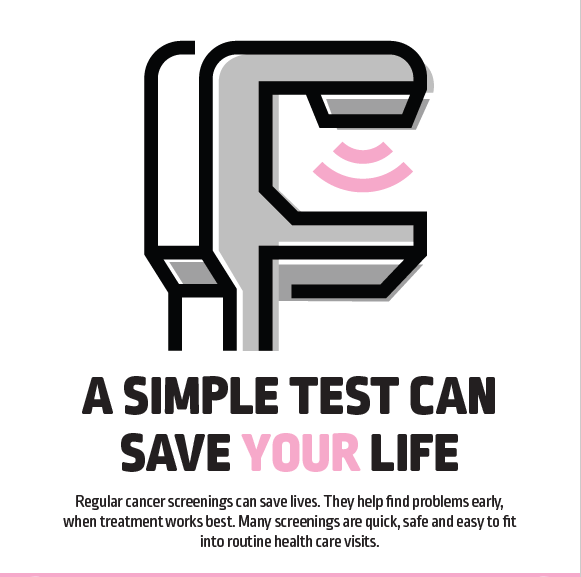
Regular cancer screenings can save lives. They help find problems early, when treatment works best. Many screenings are quick, safe and easy to fit into routine health care visits. Below is a simple guide to four key screening areas and why they matter.
Mammograms
A mammogram can find breast cancer early, even before you can feel a lump. It is the best way to spot cancer when it is easy to treat.
Most experts say women should start screening at age 40. For a mammogram, the breasts are compressed for a short X-ray. The image can show small changes. These changes can be signs of early cancer.
Early care can mean fewer treatments and better results. It helps to know how your breasts look and feel. Tell your doctor if you notice a change.
Cervical Cancer Screenings
Cervical cancer screening uses two tests: the Pap test and the HPV test. The Pap test can find early cell changes before they turn into cancer. The HPV test identifies women who might have a higher risk of developing cancer. These tests are simple and can be done during a routine visit.
They look for abnormal cells or high-risk HPV types that may lead to cancer if not treated. Most experts recommend starting screening in early adulthood.
The Pap or HPV test may be used alone or together, based on age and health history. Regular screening lowers the chance of cancer. Finding changes early often stops cancer from forming.
Colonoscopies
Colorectal cancer often starts as small growths called polyps. Finding and removing these polyps early can prevent cancer. Screening tests can find both polyps and early cancer, which makes treatment more effective.
Experts suggest starting screening around age 45 for people at average risk. A colonoscopy lets a doctor look inside the colon and remove polyps during the same visit.
A colonoscopy remains the most thorough method for finding colorectal cancer. But other options, such as stool-based tests, are also available. Talk with your doctor about which test is best for you. What matters most is getting screened.
Prevention and Early Detection
Healthy habits matter as much as screening. Prevention and screening together have saved millions of lives, especially for these cancers:
- Breast
- Cervical
- Colorectal
- Lung
- Prostate
About 44 percent of cancer deaths in the U.S. may be preventable through lifestyle changes such as:
- Avoiding tobacco.
- Maintaining a healthy weight.
- Getting routine screenings.
Early detection is key. Many cancers have no symptoms in the early stages. Regular checkups and screening tests can find problems sooner, when treatments are simpler and more successful. Screening healthy people helps detect cancer before symptoms appear, improving survival rates.
Why It Matters
Screenings are powerful tools. They help you stay ahead of cancer by finding disease early or preventing it altogether.
Talk with your doctor about which tests fit your:
- Age.
- Health background.
- Family history.
Taking these small steps now helps protect your long-term health and supports a healthier future for all.
[Sources (accessed March 4, 2026):]
https://www.cdc.gov/cancer/prevention/screening.html
https://www.cancer.gov/about-cancer/screening/screening-tests
https://www.cancer.org/research/cancer-facts-statistics/cancer-prevention-early-detection.html
https://www.who.int/europe/news-room/fact-sheets/item/cancer-screening-and-early-detection-of-cancer
https://www.hrsa.gov/womens-guidelines
https://www.nih.org/nihd-news/2026/february/the-importance-of-early-detection-in-preventing-/
*Statistics and information are accurate as of the time of publication and may change over time.